
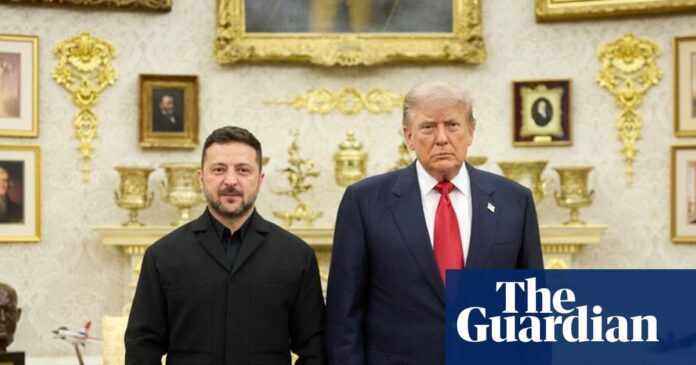

The United States has announced it will pursue a “final end” to the Russia‑Ukraine war, kicking off a series of talks in Abu Dhabi that mark the first substantive negotiations between Moscow and Kyiv since February. The meeting comes after the Trump administration’s joint strikes with Israel against Iran and follows a bruising midterm election that has weakened President Donald Trump’s standing at home.
Central to the U.S. proposal is the creation of a new “long‑term security architecture” that would bind Russia and Europe together. The plan would also revive the NATO‑Russia council that was suspended after Russia’s full‑scale invasion in 2022 and could potentially lead to the lifting of sanctions against Moscow in exchange for a peace deal.
European officials, however, warn that Russia may insist on a rollback of NATO’s military footprint in eastern Europe—a move that could leave allies vulnerable amid historic tensions with the West. The U.S. administration has made it clear that it is desperate to secure a deal and has said that it would need Europe at the table to achieve a lasting resolution.
In addition to the security architecture, U.S. negotiators have discussed offering Ukraine security guarantees similar to NATO’s Article 5, which obliges member states to defend one another in the event of an attack. Russia has strongly opposed NATO admitting Ukraine or stationing Western troops on Ukrainian soil. An administration official explained that a U.S. guarantee would be “effectively very similar to NATO,” and that it would be a “really, really big deal” in terms of resources, funding and military support.
Critics remain skeptical about what would trigger such guarantees, noting that Article 5 does not compel NATO members to defend others and that cyber‑attacks and hybrid warfare blur the line for what constitutes a military response. The U.S. will need to navigate these concerns while negotiating with both Russia and Ukraine, with President Trump and Ukrainian President Volodymyr Zelenskyy expected to play key roles in the discussions.
Source: The Guardian World
Read the original article
Editorial note: This is an original news report prepared from the attributed source material with AI assistance. It is not a reproduction or translation of the original article.

