
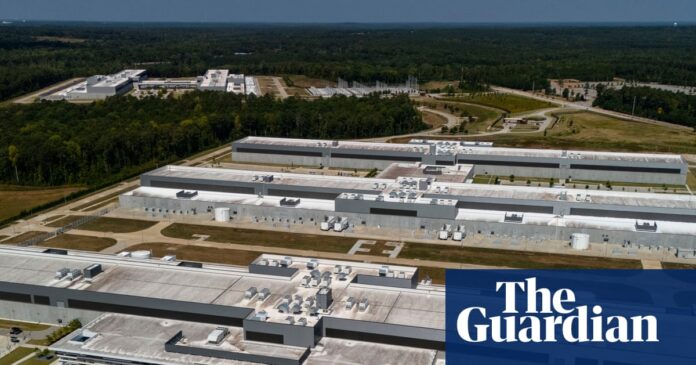

The United States Senate has advanced a bipartisan bill designed to speed up the permitting process for large energy projects and data centers. In a 73‑25 vote, senators formally took up the legislation, which aims to reduce the time it takes to bring new power plants, pipelines, mines and data centers online.
Why the Bill Matters
Demand for electricity has surged as the country expands its data center footprint and pushes for new clean‑energy infrastructure. The current permitting timeline can stretch into several years, delaying projects that could help meet growing power needs. The bill proposes sweeping changes that would shorten these timelines for both clean‑energy and fossil‑fuel projects, while also ensuring that data centers pay for the energy they consume.
Support and Opposition
Industry groups representing developers in the clean‑energy and oil‑and‑gas sectors have welcomed the measure, seeing it as a way to streamline approvals and reduce costs. President Trump has also endorsed the bill, calling it a “BIG WIN for U.S. ENERGY INDEPENDENCE and DOMINANCE” and emphasizing its potential to lower energy costs for American families.
However, environmental organizations have criticized the proposal. The Sierra Club, National Wildlife Federation, and other groups argue that the bill would lock in fossil‑fuel development, weaken environmental safeguards, and limit communities’ ability to challenge approvals. They point to changes to the National Environmental Policy Act (NEPA) and the Endangered Species Act that could reduce judicial review and environmental oversight.
Political Dynamics
While the bill has bipartisan support, the recent midterm election results could complicate its passage during the lame‑duck session. Some Democrats believe the party should use its stronger position in the next Congress to pursue clean‑energy legislation that also limits the expansion of oil, natural gas, and mining projects. House Minority Leader Hakeem Jeffries has criticized the bill, stating it falls short in several areas.
Potential Impact
Proponents argue that faster permitting will enable the U.S. to build pipelines, mines, and power plants more quickly, ultimately reducing energy costs for consumers. Critics warn that the bill could facilitate a rapid build‑out of data centers powered by natural gas and increase exports of liquefied natural gas, potentially leading to a “reckless” expansion of fossil‑fuel infrastructure.
The Senate’s decision marks the first major legislative action since the recent election that has repudiated former President Trump and many congressional Republicans. The outcome of the bill will depend on the balance of power in the upcoming Congress and the willingness of lawmakers to address the environmental concerns raised by advocacy groups.
Source: The Guardian World
Read the original article
Editorial note: This is an original news report prepared from the attributed source material with AI assistance. It is not a reproduction or translation of the original article.

