

Israel’s new Knesset is set to be sworn in on Tuesday, a moment that could shift the balance of power away from long‑time Prime Minister Benjamin Netanyahu. The opposition, which holds 67 of the 120 seats, sees the appointment of a new speaker as a critical lever to control the legislative agenda and potentially open the door to a new government.
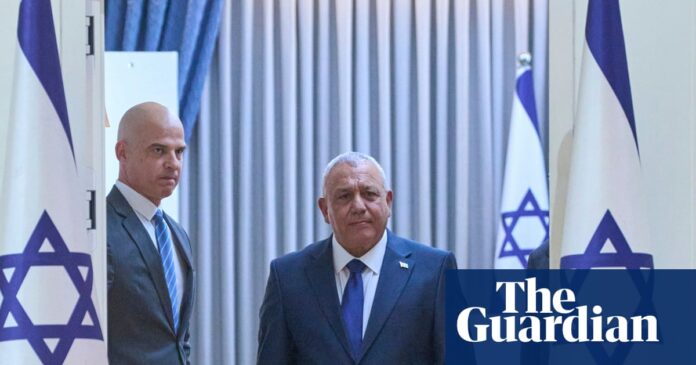
Amir Ohana, a close ally of Netanyahu, currently occupies the speaker’s chair. The opposition’s strategy is to replace him with Gadi Eisenkot, the former chief of the Israeli military who was recently tasked by President Isaac Herzog with forming a coalition. If Eisenkot takes the role, he would bring a reputation for decisive action and a promise to build a national emergency government through “creative and unconventional political acts.”
Even if Eisenkot does not assume the speaker position, the opposition parties have agreed that a nominee from his Yashar party will stand for the post. The Yashar party’s leadership has pledged to secure the speaker’s office, which would give the opposition control over the Knesset’s agenda and the ability to set the legislative timetable.
The move has drawn concern from security circles. More than 160 former military, intelligence and police leaders, including heads of the armed forces, have warned that right‑wing activists may attempt to disrupt the swearing‑in ceremony. A letter from the Democracy’s Protective Wall, a forum of retired commanders, warned that “actors who oppose replacing the Knesset speaker intend to go to the Knesset on the day of the swearing‑in ceremony and to prevent the MKs and their family members from entering the building.” The letter also noted that these actors are encouraging large crowds to support their mission.
Despite the opposition’s united front against Netanyahu, internal divisions remain. Several Jewish‑Israeli parties in the “change” bloc have pledged not to sit with the Palestinian‑led parties that hold more than a quarter of the bloc’s seats, nor to join a minority government that relies on their support. This stance complicates the coalition‑building process but underscores the opposition’s commitment to a government that does not include Netanyahu’s allies.
Eisenkot’s mandate to form a coalition comes amid a broader context of political instability. The opposition’s 67 seats give them a numerical advantage, but the need for consensus across diverse parties presents a formidable challenge. If successful, a new speaker could signal a shift in Israeli politics, potentially leading to a government that moves away from Netanyahu’s long‑standing influence.
Source: The Guardian World
Read the original article
Editorial note: This is an original news report prepared from the attributed source material with AI assistance. It is not a reproduction or translation of the original article.

