
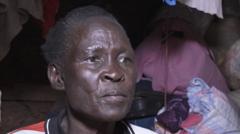

In the heart of Nairobi’s sprawling Kibera slum, 62‑year‑old Agnes Shikoli watches the Ngong River rise with a mixture of dread and resignation. Her modest corrugated‑iron home, barely a few metres from the water, has already endured a season of relentless rains that left broken appliances and a shattered sense of security in its wake.
Shikoli’s memories are tinged with loss. Her sister, Beatrice Khalayi, 58, died when a sudden deluge swept through the settlement, a tragedy that was one of more than 60 fatalities recorded across Kenya this year. “Someone called me to tell me that she had died of electrocution after her house flooded,” Shikoli recalled, her voice low. “When I see a picture of her, I feel uneasy, so I keep it far from me.”
Now, as the short rainy season begins, the specter of El Niño looms larger. Meteorological forecasters warn that this year could bring one of the strongest El Niño events on record, potentially delivering rainfall far beyond normal levels. “I feel like it can kill us. These houses aren’t made of stone,” Shikoli said. “They can fall on us, or the water can drown us.”
Across Nairobi, the government’s Climate Worx initiative—launched under President William Ruto—has mobilised men and women in high‑visibility vests to clear riverbeds and drains of accumulated rubbish. The programme, intensified since August, aims to restore the city’s drainage capacity and reduce the risk of catastrophic flooding.
Experts point to clogged drains and outdated sewage systems as key culprits behind the recent flood deaths. “Drainage systems have been untouched for many years,” said Nairobi County disaster management chief Bramwell Simiyu. “Removing the rubbish from them will save lives.”
Informal settlements such as Kibera and Mathare sit precariously close to Nairobi’s three major rivers. Their residents, often living on steep slopes, are especially vulnerable when heavy rains overwhelm the city’s inadequate infrastructure. The government’s cleanup efforts are a critical, though daunting, step toward mitigating future disasters.
For families like Shikoli’s, the threat is not only physical but also spiritual. In a community where faith often provides comfort amid hardship, the looming floods test both resilience and hope. As the rains begin to fall, Kenyan Christians and their leaders are calling for prayers, practical support, and urgent action to protect the most vulnerable.
Source: BBC World
Read the original article
Editorial note: This is an original news report prepared from the attributed source material with AI assistance. It is not a reproduction or translation of the original article.

