
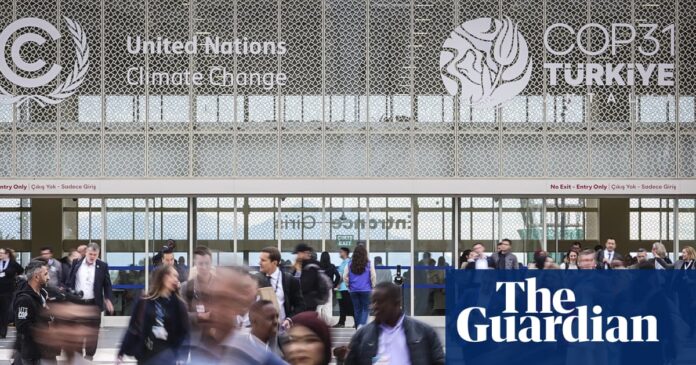

When the 31st UN Climate Conference, Cop31, opened its doors in Antalya, Turkey, journalists from around the globe were thrust into a whirlwind of diplomatic drama, logistical nightmares, and the urgent need to translate complex negotiations into stories that matter. For many reporters, the experience was a test of endurance and faith in the power of truth.
Long Hours, Little Sleep
“It is not unusual to go 48 hours with little sleep,” one correspondent noted, underscoring the relentless pace of the two‑week summit. With 70,000 delegates, packed venues, and a schedule that seemed to shift on a dime, reporters often found themselves chasing buses, navigating traffic, and scrambling to secure interviews before the next session began.
One Guardian journalist, Graham Readfearn, spent three and a half hours fighting traffic to catch a special Cop31 bus. “It was a real odyssey,” he said. “Every minute counts when you’re trying to get a story out.”
Why the Coverage Matters
Covering Cop31 is more than a professional obligation; it is a ministry of truth. The conference is where nations negotiate the future of the planet, and the outcomes will shape the lives of billions. “We are not just reporting on politics,” said European environment correspondent Ajit Niranjan. “We are telling the story of humanity’s struggle to protect the earth for future generations.”
For readers who may not be versed in UN diplomacy, journalists distill the most critical takeaways and weave them with stories of hope, heartbreak, and resilience. “It’s a rare moment during the year when climate science, faith, and policy intersect,” Niranjan added.
Challenges for Smaller Media
While large media houses have the resources to cover every session, smaller outlets—especially those from nations most vulnerable to climate change—face significant hurdles. Limited access to transportation, fewer staff, and financial constraints mean they must work harder to bring the summit’s messages to their audiences.
These journalists often rely on the support of international partners and the generosity of the UN to secure visas, travel, and accommodation. Their stories, however, are no less vital; they bring the voices of the most affected communities into the global conversation.
Faith in the Face of Chaos
Amid the chaos, many reporters found solace in prayer and Scripture. “When the world feels chaotic, we turn to God’s word for clarity,” one correspondent shared. “We pray that the leaders at Cop31 will act with wisdom and compassion.”
As the summit progressed, the journalists documented both the setbacks and the breakthroughs. While some negotiations stalled, others yielded concrete commitments to reduce emissions, protect forests, and support climate‑resilient communities.
In the end, the coverage of Cop31 serves as a reminder that the fight against climate change is a collective mission—one that requires the courage of journalists, the faith of believers, and the leadership of nations.
Source: The Guardian World
Read the original article
Editorial note: This is an original news report prepared from the attributed source material with AI assistance. It is not a reproduction or translation of the original article.

