
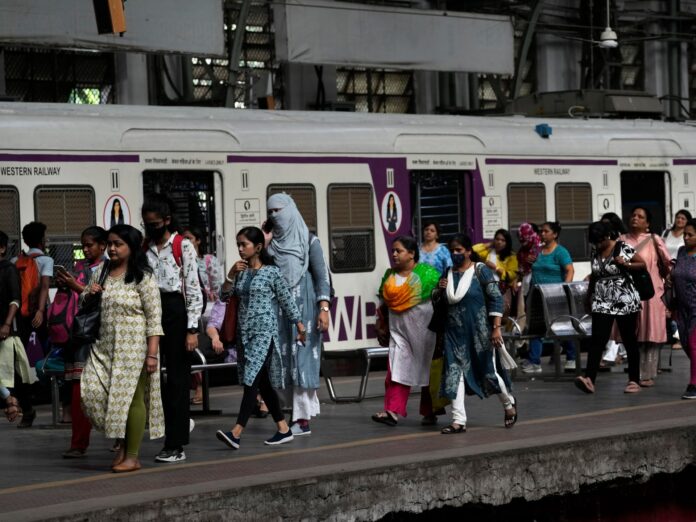

In a landmark achievement, India has lifted nearly 500 million people out of extreme poverty between 2011 and 2023, according to a new World Bank report. The country’s share of the population living below the $3‑a‑day threshold fell from 27.1 percent to a mere 2.6 percent, a decline that the Bank calls one of the fastest in the world.
The report, led by South Asia poverty economist Ayago Wambile, also shows that the share of Indians living below the lower middle‑income line of $4.20 a day dropped from 57.7 percent to 16.1 percent. That translates to an estimated 496 million people moving above the poverty line in just 12 years.
“This progress was mainly driven by strong consumption growth, rising employment—especially among women—and expanded social transfers, including food subsidies,” Wambile explained. The findings highlight how inclusive policies and a focus on women’s workforce participation have paid off.
While the numbers are impressive, the World Inequality Report 2026 warns that India’s income and wealth gap has widened since the early 1990s economic liberalisation. The country remains among the world’s most unequal economies, a reality that underscores the need for continued social justice efforts.
Prime Minister Narendra Modi celebrated the milestone on Instagram, calling it a “historic fall in poverty” and a “generational rise in opportunity.” His message reflects the faith‑based call for stewardship and compassion toward the poor.
India’s success is often compared to China’s, which lifted 800 million people out of extreme poverty over 40 years. The World Bank’s 2022 joint report with China’s Finance Ministry noted the longer time frame, making India’s rapid decline even more striking.
In addition to poverty metrics, the Bank raised its economic growth forecast for India to 7.1 percent for 2026, signalling confidence in the country’s trajectory. The report also projects a gradual decline in the $4.20‑a‑day poverty rate, expecting it to fall from 14.2 percent in 2026 to 12.1 percent by 2028.
These developments come at a time when faith communities worldwide are urged to support the vulnerable. The World Bank’s data provide a hopeful backdrop for Christian ministries focused on poverty alleviation, education, and women’s empowerment.
As India continues to grow, the challenge remains to translate economic gains into equitable opportunities for all. The country’s journey offers a powerful example of how policy, faith, and community can work together to lift millions from hardship.
Source: Al Jazeera
Read the original article
Editorial note: This is an original news report prepared from the attributed source material with AI assistance. It is not a reproduction or translation of the original article.

