
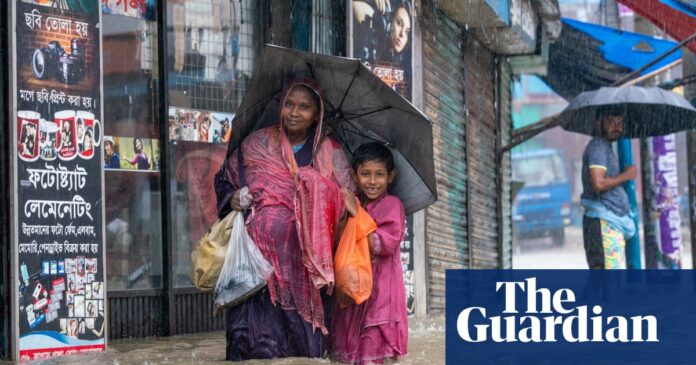

Midwives across the globe warn that the coming El Niño season will heighten the danger of death during childbirth for millions of women in the world’s most vulnerable regions. The convergence of floods, cyclones and extreme heat is expected to peak in the coming months, cutting off many pregnant women from lifesaving hospital care.
In countries already burdened by high maternal and newborn mortality, such as Nigeria, Chad, the Central African Republic, South Sudan, Somalia and Afghanistan, the risk is especially acute. Annually, about 260,000 women die during pregnancy or childbirth, with sub‑Saharan Africa shouldering 70 % of that toll. Two‑thirds of the world’s births in November and December will occur in these high‑risk El Niño zones.
Anna af Ugglas, chief executive of the International Confederation of Midwives (ICM), said, “If you’re female, pregnant, socially deprived and in a climate catastrophe zone, the odds are stacked against you before you even conceive.” She added that El Niño will add a new layer of danger to already precarious health conditions.
In Bangladesh, maternity teams are preparing for the flood threat. Midwife mentor Christine Ewoi Eloto, working in the Rohingya refugee camps of Cox’s Bazar, noted that “childbirth does not stop during a cyclone, flood, heatwave or landslide.” She recalled that during previous flash floods and landslides, women could not reach health facilities because roads were submerged and vehicles were stuck.
Southern Malawi is grappling with a severe heatwave that is keeping women from attending antenatal care. Midwife Judith Mgogo explained that a failed rainy season has left farming families unable to afford bus fares, forcing many to miss essential check‑ups. “We’re facing temperatures above 40 °C most of the week,” she said. “Antenatal attendance is expected to be low because women cannot travel in such hot weather.”
Midwife Madalitso Malekano of Phalombe district described the daily challenges: “When electricity fails, we deliver babies in sweltering wards or by torchlight. Extreme heat is causing dizziness and fatigue in many women – and that includes myself.” She added that previous strong El Niño events had left more than 4 million Malawians without adequate food.
These testimonies underscore the urgent need for strengthened emergency preparedness and support for maternal health services in the face of climate‑driven disasters. Without timely access to care, the combination of extreme weather and existing health inequities could turn routine births into fatal emergencies for countless mothers and newborns.
Source: The Guardian World
Read the original article
Editorial note: This is an original news report prepared from the attributed source material with AI assistance. It is not a reproduction or translation of the original article.

