
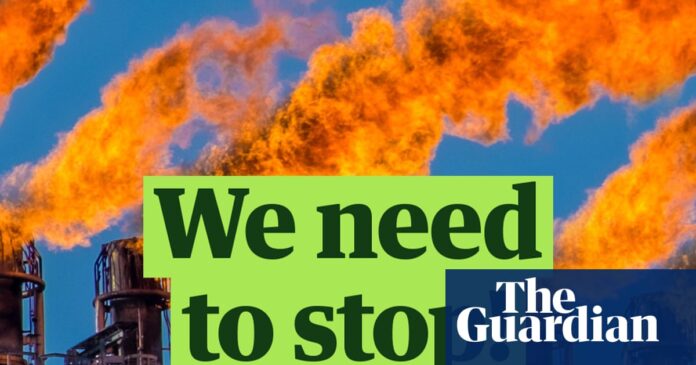

For the next two weeks, Turkey will host the 31st Conference of the Parties (COP31), a pivotal gathering where world leaders will confront the escalating threat of human‑induced global warming. The event brings together heads of government, diplomats, scientists, and civil society representatives to negotiate the next steps in the global climate agenda.
Madeleine Finlay, a seasoned climate journalist, highlighted the urgency of these talks during a recent interview. She explained that the stakes are higher than ever: rising temperatures, extreme weather events, and the loss of biodiversity are already reshaping ecosystems and economies worldwide. “The planet is heating up at an unprecedented rate, and the window for effective action is narrowing,” Finlay said.
At COP31, negotiators will revisit the commitments made under the Paris Agreement, aiming to tighten targets for reducing greenhouse gas emissions. The conference will also address the need for financial support to help vulnerable nations adapt to climate impacts and transition to low‑carbon economies.
Finlay emphasized that the success of COP31 hinges on the willingness of governments to move beyond rhetoric. “We need concrete, enforceable measures, not just aspirational statements,” she noted. She also pointed out that the outcomes will have far‑reaching implications for faith communities, many of which view stewardship of creation as a core responsibility.
While the negotiations are complex, there is cautious optimism that the next round of talks could yield stronger commitments. However, experts warn that without significant policy shifts and increased investment, the world risks missing critical climate thresholds.
As the conference unfolds, observers will be watching closely to see whether the international community can translate its collective resolve into tangible action that protects both the planet and future generations.
Source: The Guardian World
Read the original article
Editorial note: This is an original news report prepared from the attributed source material with AI assistance. It is not a reproduction or translation of the original article.

