
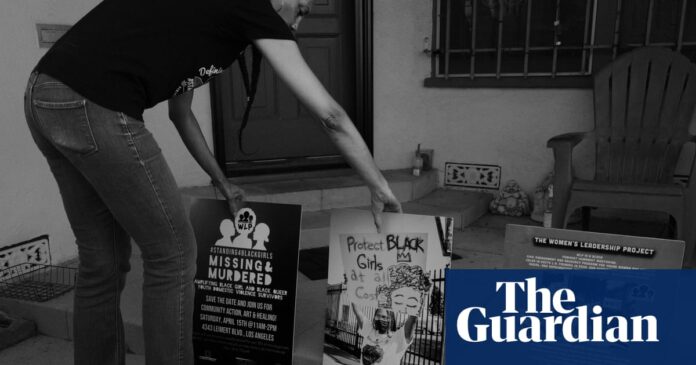

Los Angeles has seen a disturbing rise in homicides involving Black women and girls, a trend that has galvanized community activists and families to demand swift justice and systemic change. The city’s Black community has called for a thorough investigation into the killings, greater police accountability, and targeted prevention programs.
The Tragic Loss of Tioni Theus
On January 8, 2021, 16‑year‑old Tioni Theus was found dead on a highway with a gunshot wound to her neck. Tioni’s death shocked the city and intensified calls for answers. Her family and friends described a life that had been upended after her mother was critically injured in a car accident when Tioni was 13. The accident left Tioni without a stable home, leading her to drift between relatives and, eventually, to a dangerous lifestyle that culminated in her death.
Despite the community’s pleas for a prompt investigation, five years later no arrests have been made in Tioni’s case. The lack of progress has fueled frustration and a sense that the justice system is not adequately protecting Black women and girls.
Community Response and Demands
In the wake of Tioni’s murder, activists and families have organized protests and urged local officials to take concrete steps. They have called for the police to be more vocal about the risks Black women face, to conduct in‑depth studies on the causes of these killings, and to allocate resources to programs that address the intersection of poverty, violence, and lack of support for young Black women.
City officials responded by offering a $115,000 reward for information related to the case and commissioning a report to better understand why Black women are disproportionately targeted. However, critics argue that these measures have not translated into meaningful change or prevented further tragedies.
Broader Context of Violence
Black women and girls make up roughly four percent of Los Angeles’ population but represent a significantly higher share of female homicide victims. The community’s frustration is rooted in a history of inadequate policing, limited resources, and a perceived lack of empathy from lawmakers. The call for action is not only about solving individual cases but also about addressing systemic issues that leave Black women and girls vulnerable.
As the city continues to grapple with these challenges, the voices of families, activists, and community leaders remain a powerful force pushing for reforms that could save lives and bring lasting change.
Source: The Guardian World
Read the original article
Editorial note: This is an original news report prepared from the attributed source material with AI assistance. It is not a reproduction or translation of the original article.

