
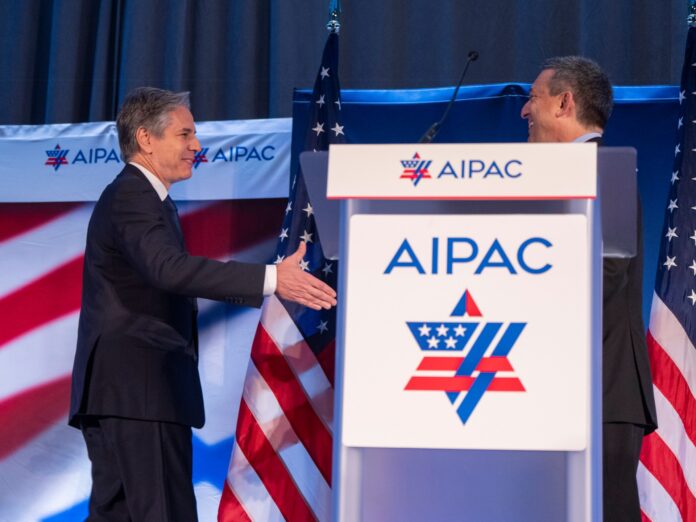

In the November 3 midterm elections, the American Israel Public Affairs Committee (AIPAC) and its affiliated political action committees spent tens of millions of dollars supporting candidates across the country. While the group’s financial influence remains significant, the outcomes reveal a growing hesitation among some politicians to accept its backing.
Texas Senatorial hopeful James Talarico, who later won a U.S. Senate seat, became a notable example. He publicly rejected AIPAC funding, citing his Christian faith and concern for the Gaza conflict. “Seeing what’s happening in Gaza makes me sick to my stomach as a teacher, as a Christian, as a human being,” he said in a viral podcast clip. Despite receiving only about $6,000 from pro‑Israel groups, Talarico defeated his opponent Ken Paxton by more than 12 percentage points.
Across the nation, AIPAC’s spending was unevenly distributed. Nearly two‑thirds of the money it poured into the election cycle went to candidates who ultimately lost. Yet the group still backed a majority of winners: 234 candidates from both parties were counted as victorious, according to AIPAC’s own tally. In Senate races, AIPAC and its super PAC, the United Democracy Project (UDP), supported candidates in 32 of 35 contests, spending over $100,000 in 26 of those races and securing 21 victories.
Even within the Republican Party, the decision to accept AIPAC funds is becoming more contentious. Rina Shah, a former senior GOP congressional aide and geopolitical adviser, noted that a younger, “America First” wing is questioning foreign entanglements. “Now, with a younger, more America First wing asking hard questions about foreign entanglements, and Gaza weighing on voters across the spectrum, it’s become a real topic, not a niche one,” she told Al Jazeera.
AIPAC’s own strategy is also shifting. In October, the organization announced it would stop endorsing candidates and making direct contributions after this election cycle. Much of its money now flows through affiliated PACs, making tracking more difficult. The group’s transparency has been a point of criticism, especially as it continues to fund hundreds of candidates in both primaries and the general election.
Despite the mixed results, AIPAC remains determined to expand its political activism in future cycles. Its track record of backing winning candidates—particularly in Senate races—continues to give it influence. However, the growing reluctance of some candidates to accept its support signals a potential realignment in U.S. politics, especially as voters increasingly weigh foreign policy concerns alongside domestic issues.
Source: Al Jazeera
Read the original article
Editorial note: This is an original news report prepared from the attributed source material with AI assistance. It is not a reproduction or translation of the original article.

