

In a bold diplomatic effort, Qatar has positioned itself as the key mediator in the ongoing U.S.–Iran standoff, proposing a package that could see the Strait of Hormuz reopened and U.N. nuclear inspectors granted access to Iran’s bombed facilities. The plan, announced by the emir of Qatar, Sheikh Tamim bin Hamad al‑Thani, seeks to combine economic incentives with strategic concessions.
Under the proposal, the United States would lift its naval blockade on the Strait of Hormuz immediately and release a portion of the $8 billion in Iranian assets that have been frozen. In exchange, Iran would allow International Atomic Energy Agency (IAEA) inspectors to visit its nuclear sites, including those that house the country’s stockpile of highly enriched uranium. The agreement does not require Iran to remove the stockpile, but it opens the door to alternative measures such as down‑blending the uranium to reduce its enrichment level.
Qatar’s plan also includes a $300 billion reconstruction and development fund aimed at helping Iran recover economically. While the exact funding mechanism for the fund remains unclear, the proposal signals a willingness to address Iran’s broader economic needs alongside its nuclear concerns.
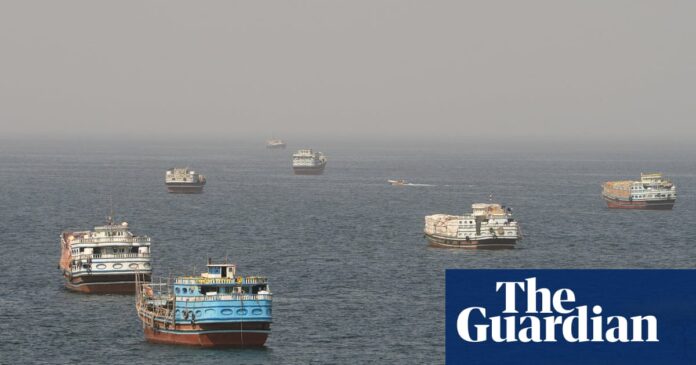
One of the most significant elements of the deal is the potential reopening of the Strait of Hormuz, a critical chokepoint for global oil shipments. Iran would open the waterway on the second day of the agreement’s implementation, following a route it has already negotiated with Oman. The two countries would jointly lodge the reopening with the International Maritime Organisation (IMO), ensuring that maritime traffic could resume under agreed safeguards.
Iran’s acceptance of the proposal hinges on several preconditions. The country has demanded an end to the war in Lebanon, a withdrawal of U.S. forces from its coastline, a commitment to lift certain economic sanctions, and an agreement to pay war reparations. These conditions reflect Iran’s broader strategic concerns and have been a central point of negotiation in the mediation process.
While the U.S. administration has signaled its willingness to move forward, President Donald Trump remains uncertain about the next steps. Trump’s consideration of a further assault on Iranian nuclear sites has been tempered by comments from Vice‑President J.D. Vance, who highlighted the political costs of such actions in the U.S. and the potential impact on the Republican vote in the midterms.
Qatar’s diplomatic outreach underscores the importance of dialogue and diplomacy in resolving regional disputes. The emir’s office emphasized that continued conversation is essential to preventing further escalation in the region, a sentiment echoed by the state news agency during the call between Sheikh Tamim and President Trump.
Should the proposal succeed, it would mark a significant shift in U.S.–Iran relations, potentially easing tensions in the Persian Gulf and opening a new chapter in the pursuit of nuclear non‑proliferation. The international community will closely monitor the negotiations, as the outcome could reshape the geopolitical landscape of the Middle East.
Source: The Guardian World
Read the original article
Editorial note: This is an original news report prepared from the attributed source material with AI assistance. It is not a reproduction or translation of the original article.

