
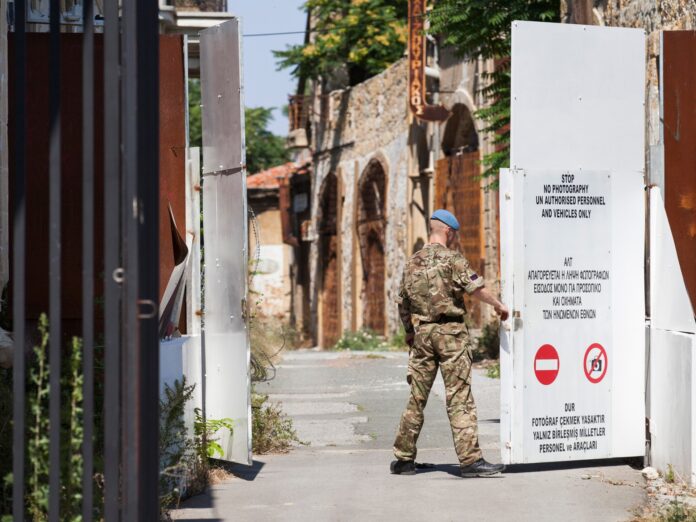

In a historic move that could reshape the island’s future, Greek Cypriot President Nikos Christodoulides and Turkish Cypriot President Tufan Erhurman agreed to open two new border crossings across the UN‑controlled buffer zone that has divided Cyprus since 1974. The decision, reached during a meeting with United Nations special envoy Maria Angela Holguin, marks the first tangible sign of détente after nearly a decade of stalled negotiations.
The new crossings will bring the total number of open points of contact on the island to 11, according to local media. The agreement also includes coordinated emergency response protocols and the sharing of archival materials, a gesture aimed at building trust and transparency between the two communities.
Christodoulides told reporters after the meeting that the talks were “positive” and that the leaders would meet again in the coming weeks, this time with outgoing UN Secretary‑General Antonio Guterres in attendance. “We are continuing this effort with absolute seriousness and one single goal: resuming the talks before the end of the secretary‑general’s term at the end of the year,” he said.
UN Secretary‑General Guterres, who launched a new drive to resolve the more than five‑decade‑old conflict in the summer, welcomed the development. He noted that the new crossings could serve as a confidence‑building measure, although the parties have yet to agree on the ground rules for future talks.
Cyprus’s division dates back to 1974, when Turkey invaded the northern part of the island in response to a coup by the then‑military government in Greece. Since then, a UN Peacekeeping Force has monitored a 180‑km ceasefire line that separates the Greek‑Cypriot south from the Turkish‑Cypriot north. Only Turkey recognises the northern region as an independent republic, and Ankara maintains a military presence of more than 35,000 troops on the island.
Decades of negotiations have repeatedly failed to reunify Cyprus, with the last official round collapsing in 2017. Greek Cypriots have opposed any direct Turkish involvement, while Turkish Cypriots argue that Ankara’s participation is essential. The election of a pro‑unification leader in the north last year has rekindled hope for a resolution.
While the new crossings do not resolve all underlying issues, they represent a significant step toward renewed dialogue. The leaders’ willingness to open new points of contact and share historical records signals a commitment to moving beyond a long‑standing impasse. If the momentum continues, the island may finally see a comprehensive peace settlement before the end of the current UN Secretary‑General’s term.
Source: Al Jazeera
Read the original article
Editorial note: This is an original news report prepared from the attributed source material with AI assistance. It is not a reproduction or translation of the original article.

